You’ve probably heard the term “chemical peel” and imagined something dramatic red, peeling skin and weeks of hiding at home. The reality? For most people, it’s one of the simplest and most effective ways to wake up dull, tired skin. Here’s everything you need to know, in plain language.
So… What Is a Chemical Peel, Really?
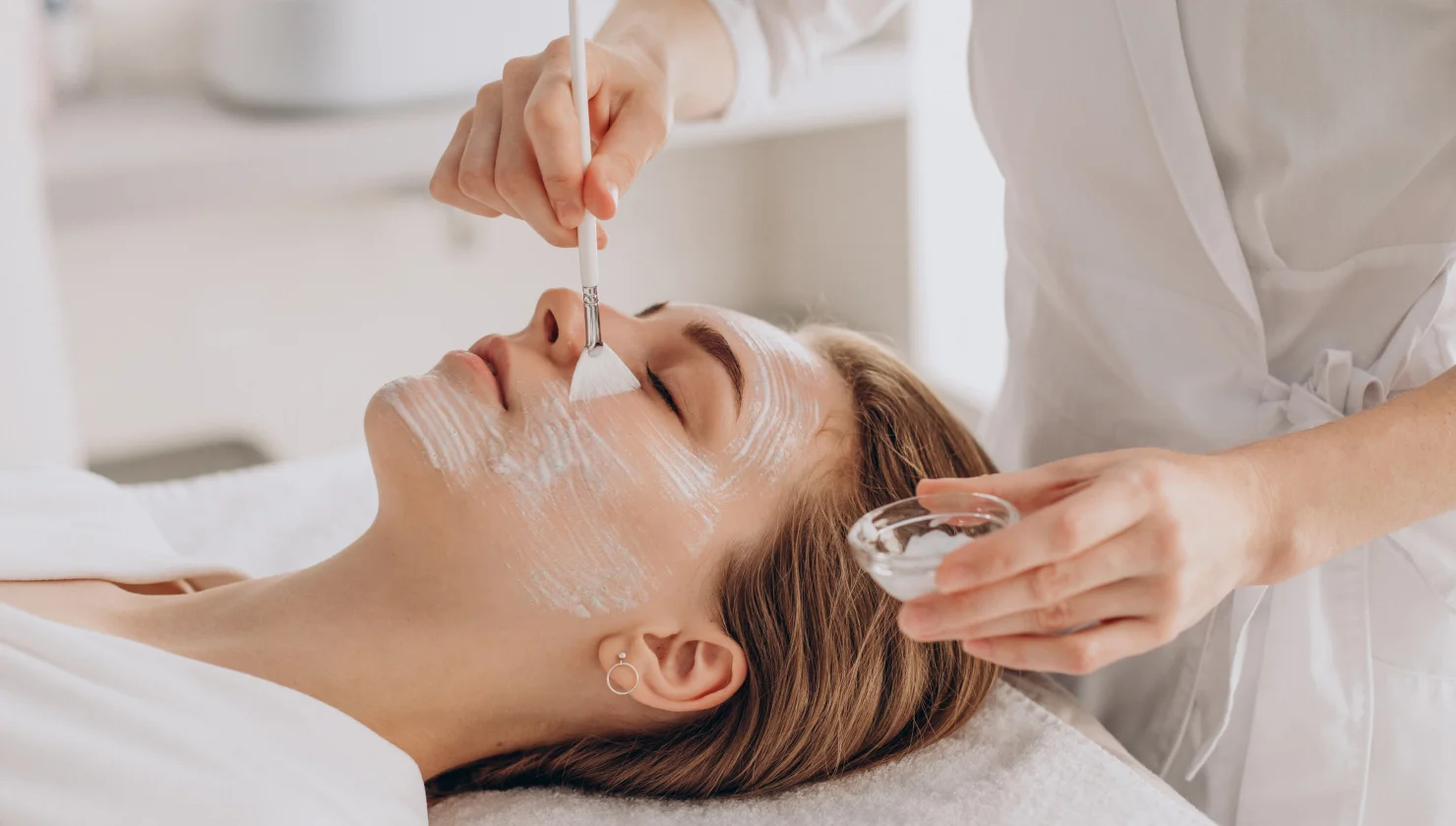
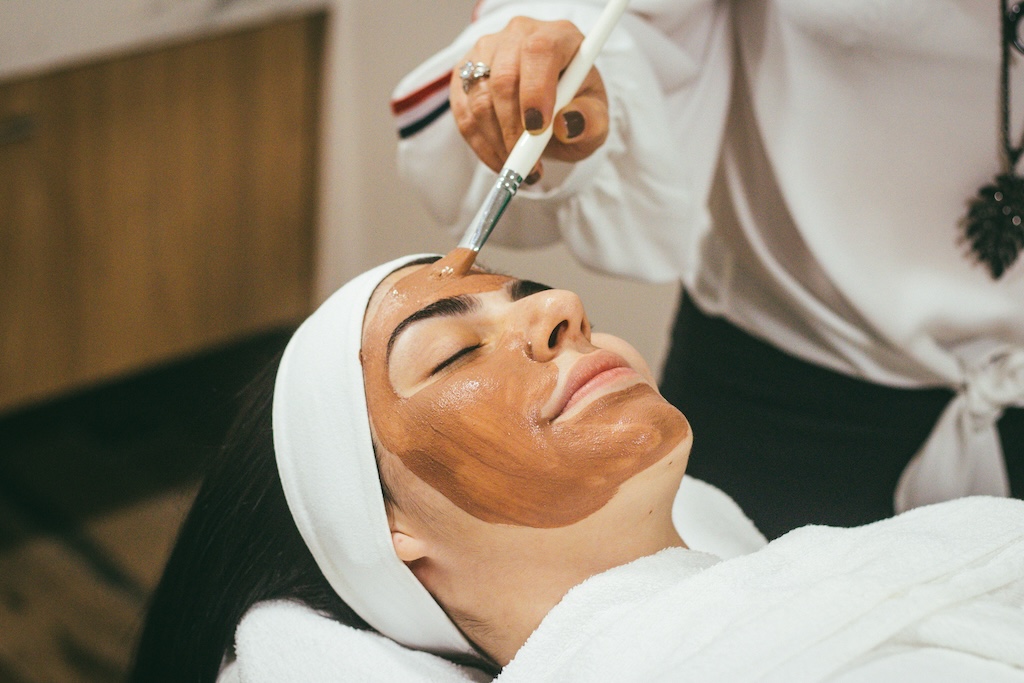
A chemical peel is a skin treatment where a carefully selected solution is applied to the face (and sometimes neck or hands) to gently remove the outer layers of skin. As those layers shed over the following days, what’s revealed underneath is smoother, brighter, and more evenly toned skin.
Think of it like this: your skin is constantly producing new cells from the inside out. But over time due to sun exposure, stress, hormonal changes, and just everyday life the old, dull cells on the surface don’t shed as efficiently. A chemical peel speeds up that natural renewal process.
What Can a Chemical Peel Actually Fix?
Chemical peels are surprisingly versatile. Depending on the type and depth, they can help with:
- Dull, uneven skin tone reveals brighter, fresher skin underneath
- Fine lines and early wrinkles especially around the mouth and eyes
- Sun damage and dark spots reduces hyperpigmentation over time
- Acne and post-acne marks helps unclog pores and fade scarring
- Rough or uneven texture smooths the surface significantly
- Enlarged pores minimizes their appearance
Good to know: One peel can make a visible difference, but a series of treatments delivers the most dramatic and lasting results especially for deeper concerns like scarring or hyperpigmentation.
The 3 Types of Peels Which One Is For You?
1. Superficial (Light) Peels
These use mild acids like glycolic or lactic acid to gently exfoliate just the very surface of the skin. There’s minimal downtime maybe some mild redness for a day. Great for first-timers, regular maintenance, or anyone wanting a quick glow-up before an event.
2. Medium Peels
These go a little deeper, reaching the middle layers of skin. They’re more effective for sun damage, moderate wrinkles, and uneven tone. Expect some redness and peeling for 5–7 days. Results are more significant and longer lasting.
3. Deep Peels
These penetrate more deeply and produce dramatic results but they require more recovery time (1–2 weeks) and must be performed under careful medical supervision. They’re typically reserved for more advanced skin concerns.

Does It Hurt?
Most people are surprised by how comfortable the experience is. Light peels typically cause a mild tingling or warmth during application nothing more. Medium peels may feel a bit more intense for a few minutes, but the sensation passes quickly. Your provider can also use a fan or cooling to keep you comfortable throughout.
What About Aftercare?
Taking care of your skin after a peel is simple, but important:
- Keep skin moisturized: hydration is your best friend during healing
- Wear SPF every single day (sun exposure right after a peel can cause pigmentation issues)
- Don’t pick or pull at peeling skin let it shed naturally
- Avoid intense exercise, saunas, or steam for 48 hours
- Skip active skincare ingredients (retinol, acids) until fully healed
Pro tip: The “peel” part doesn’t always look dramatic. Some peels cause very subtle shedding that you might barely notice but your skin is still renewing underneath. Don’t judge a peel by how much it peels!
Is a Chemical Peel Right for My Skin?
Chemical peels work on most skin types and tones, but the right type and formulation matters enormously especially for darker skin tones, where certain acids can cause temporary pigmentation changes if not chosen carefully. This is why a consultation with an experienced professional is always the right first step.
If you have active breakouts, open wounds, sunburn, or are pregnant, you’ll want to wait before scheduling a peel. A good provider will always screen for these before recommending treatment.
The Bottom Line
Chemical peels have been a staple in professional skin care for decades and for good reason. They’re effective, relatively low-risk when performed correctly, and deliver visible results that most at-home products simply can’t match. Whether you want to target a specific concern or just want your skin to look refreshed and radiant, a peel is worth exploring.
Curious About a Chemical Peel?
Our team at Eras MD Med Spa is happy to answer your questions and help you find the right treatment for your skin no pressure, just honest guidance.
📩 Reach us on Instagram | Facebook | WhatsApp
This article is for informational purposes only. Individual results may vary. Please consult with a qualified skincare professional before starting any new treatment.